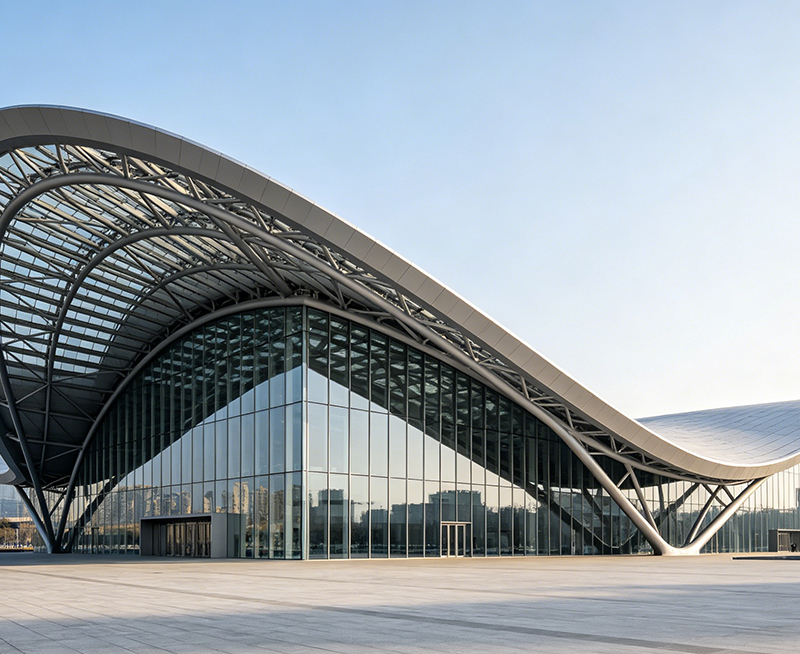


In the construction industry, high-rise steel structure buildings have emerged as a game-changer for urban development, addressing significant pain points such as limited land availability and the growing demand for sustainable designs. Recent studies have highlighted that over 60% of urban populations are expected to reside in high-rise buildings by 2030.
This shift brings forward specific challenges, including the selection of materials and efficient construction timelines. For instance, when comparing high-rise steel structures with traditional concrete buildings, steel structures can significantly reduce construction times, closing projects 30% faster on average. Understanding the role of high-rise steel structure buildings manufacturers is crucial for minimizing costs and maximizing safety.
Additionally, considerations like cost-per-square-foot and load-bearing capacity make decisions more complex. Thus, identifying a reliable manufacturer can drastically influence project success.

High-rise steel structure buildings are defined as multi-floor buildings that predominantly utilize steel as the primary structural material. Industry experts classify a building as a high-rise if it exceeds 75 feet (approximately 23 meters) or has more than seven stories.
The significance of steel in construction is profound. Thanks to its high tensile strength and ductility, steel allows for greater design flexibility and resilience against seismic forces. Moreover, steel's lightweight nature compared to concrete enables better load distribution, making it a favored choice among architects and structural engineers.
High-rise steel structure buildings find usage across various sectors, including:
By varying the use of high-rise structures, engineers and architects can create functional spaces that keep pace with urban demands.
Choosing high-rise steel structure buildings offers several advantages, including:
Being aware of these benefits can help developers make informed decisions leading to successful and sustainable projects.
For those considering embarking on a project involving high-rise steel structure buildings, it's recommended to further research the various manufacturing processes and timelines relevant to your specific needs. Reviewing the user guides offered by established manufacturers, such as Jin'an Group, can provide valuable insights into material selection, architectural design, and construction best practices.
How do high-rise steel structures compare to concrete in terms of cost? In many cases, even though initial costs may seem higher for steel, overall project costs can be lower due to reduced construction time and long-term maintenance savings.
What is the average lifespan of a high-rise steel building? When properly maintained, high-rise steel buildings can last over 50 years without significant structural issues.
Are high-rise steel structures safer than concrete structures? Yes, studies have shown that steel structures perform better in seismic events due to their ductility and strength.
For further understanding and potential trials related to high-rise steel structure buildings, consider exploring offerings by Jin'an Group and their expertise in the development of advanced building solutions.
Produits associés